Full Body Deep Tissue Massage Near Me: Lombok Guide
Searching for a full body deep tissue massage near me in Kuta Lombok? Learn what to expect, key benefits, and how to book your session today.

Meta title: Full Body Deep Tissue Massage Near Me, Kuta Lombok
Meta description: Find a full body deep tissue massage near me in Kuta Lombok, with clear guidance on pressure, session length, safety, and booking.
You've arrived in Lombok with sun-warmed skin, a little stiffness from the flight, and perhaps tight calves after walking across Kuta Beach or exploring Mandalika. A search for full body deep tissue massage near me often begins as a practical need, not a luxury wish. You want to feel comfortable in your body again, without booking a treatment that's too intense, too short, or poorly matched to your condition.
Kuta Lombok makes that reset easy to build into a travel day. After a morning at Tanjung Aan, a surf session, or a drive towards Selong Belanak, a carefully paced massage can give you quiet time while addressing the muscular tension that sightseeing and travel create.
Table of Contents
- Finding Your Full Body Deep Tissue Massage Near Me in Kuta
- What Is a Full Body Deep Tissue Massage?
- The Physical and Mental Benefits of Deep Work
- Who Should Avoid or Modify Deep Tissue Work
- What to Expect During and After Your Session
- How to Choose the Best Provider in Kuta Lombok
Finding Your Full Body Deep Tissue Massage Near Me in Kuta
The journey from Lombok International Airport to Kuta can leave your hips, shoulders, and lower back feeling compressed. Add a long scooter ride, a beach walk over uneven sand, or several hours carrying luggage, and the body often asks for attention before the mind has finished adjusting to island time.
You might arrive at a spa in the late afternoon, still carrying the heat of the day. The room is calm, the lighting is soft, and the first conversation is about where you feel restricted, whether you've exercised recently, and how much pressure you normally enjoy. That short consultation matters because a full-body treatment shouldn't be treated as a fixed routine.
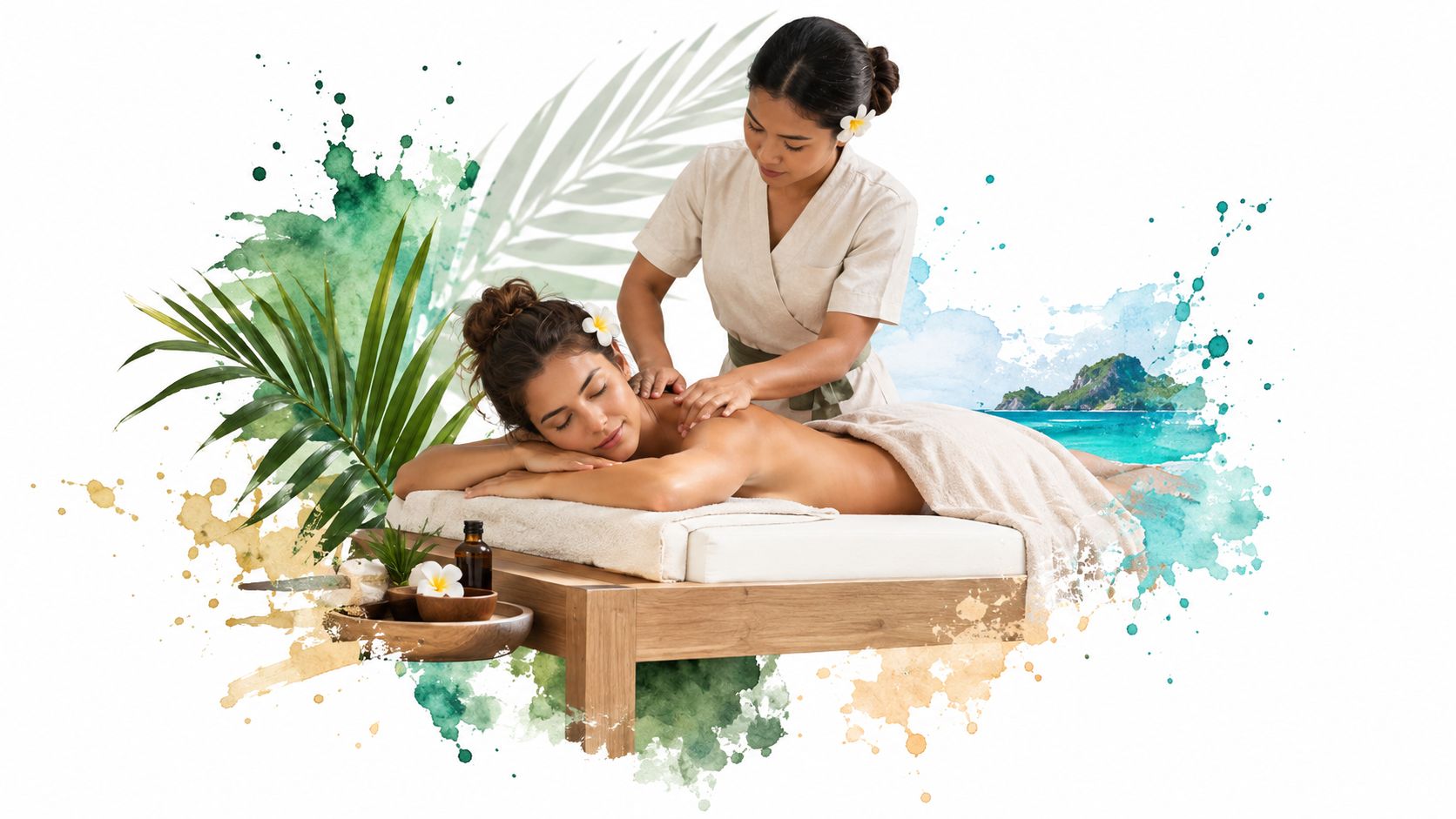
Why Kuta suits a recovery-focused treatment
Kuta Lombok attracts travellers who spend their days moving. Beach time, swimming, surfing, padel, hiking, and island excursions all place different demands on the body. A full-body deep tissue massage can be a useful part of that itinerary when the goal is to address widespread muscular tightness rather than enjoy a brief shoulder rub.
Massage is also no longer confined to occasional pampering. The National Center for Complementary and Integrative Health reports that 10.9% of US adults used massage therapy in 2022, compared with 4.8% in 2002. That change reflects broader acceptance of massage as a regular wellness and recovery choice, although it doesn't make every technique suitable for every person.
For a traveller, the most useful question isn't only “Where's the nearest spa?” Ask instead:
- What do I need today? General relaxation, post-travel stiffness, or focused work on persistent tension?
- How much time do I have? A full-body session needs more space than a short targeted appointment.
- Can the therapist adapt pressure? Effective deep work should respond to your breathing and feedback.
- What happens afterwards? You may want quiet time rather than another demanding activity.
A well-chosen session can help you enjoy Lombok with less physical distraction. It should leave you feeling cared for, not tested.
What Is a Full Body Deep Tissue Massage?
A full-body deep tissue massage works with deeper layers of muscle and connective tissue using slower, more deliberate techniques and firmer pressure than a conventional relaxation massage. “Full body” generally means that the therapist gives attention to the major areas of the body, often including the back, legs, shoulders, arms, neck, and hips. It doesn't mean every area receives identical pressure or the same amount of time.
Deep tissue work is not just a harder version of Balinese or Swedish-style massage. A relaxation treatment usually uses flowing movements to create a soothing, whole-body rhythm. Deep tissue work may pause longer over dense or restricted areas, using sustained pressure, forearm work, thumbs, or slow strokes according to the therapist's training and your needs.
Pressure should build gradually
The most important technical detail is sequencing. In a controlled study, light and moderate pressure before deeper pressure prevented the rise in muscle activity seen when deep pressure was applied without preparation. The findings support a warm-up progression, where tissues have time to accommodate before more focused work begins. You can review the controlled study on pressure and muscle activity for the underlying research.
A sensible sequence often looks like this:
- Initial contact and assessment, so the therapist can understand your comfort and areas of tension.
- Lighter or moderate strokes, which warm the surface tissues and help you settle into the treatment.
- Slower, deeper work, applied where the body can tolerate it without bracing.
- A gentler close, allowing your breathing and muscular tone to settle before you get up.
This is why “more painful” doesn't mean “more effective.” If you hold your breath, clench your jaw, or tense against the therapist's hand, the body is signalling that the pressure or pace needs to change. A professional session should feel purposeful, not like a competition in endurance.
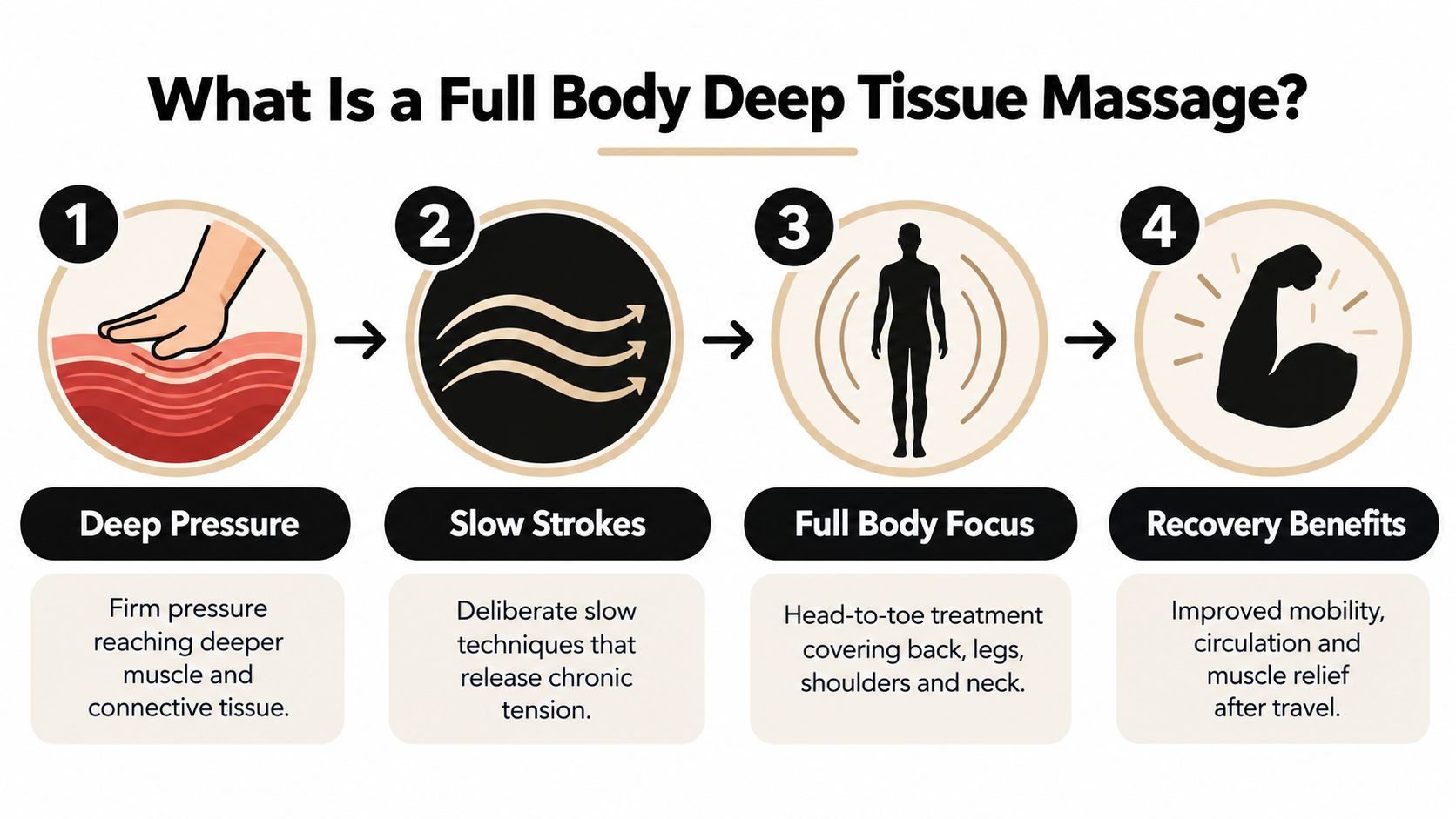
How the full-body format differs from targeted work
A short targeted massage may be the better choice when one area is bothering you and your schedule is tight. A full-body session makes more sense when travel, activity, and prolonged sitting have created tension in several connected regions.
For example, tight calves may sit alongside tired hips and a stiff lower back after long walks or cycling. Working only on the calves might feel pleasant, but a broader assessment gives the therapist more context. The treatment can still prioritise the areas you mention, while maintaining a coherent head-to-toe rhythm.
The Physical and Mental Benefits of Deep Work
Deep tissue massage appeals to travellers who want both physical recovery and mental quiet. The physical side is easy to describe: slower pressure can focus attention on areas that feel stiff, overworked, or restricted. The mental side often comes from having an uninterrupted period in which you're not navigating roads, checking maps, answering messages, or deciding where to eat next.
A recent synthesis associated repeated 40 to 60-minute treatments delivered twice weekly with favourable changes in pain, range of motion, and recovery markers in sports-related populations. It also reported reduced pain, improved range of motion, and lower creatine kinase levels, with deep tissue outperforming several other massage approaches for pain reduction in that analysis. The published synthesis on massage and recovery should be read with care, since findings from sports-related populations don't automatically predict an individual traveller's response.
Relief should support movement
The useful outcome isn't an impressive amount of pressure during the appointment. It's being able to move through your next beach walk, swim, or island excursion with less awareness of the tight areas that were distracting you.
Massage may be relevant when you notice:
- A sense of restricted movement after long travel.
- Persistent muscular tightness from repetitive activity.
- Soreness after sport or extended walking.
- Stress held in the shoulders, neck, or jaw.
- A need for quiet recovery before another active day.
The massage therapy services market reflects this wider shift towards recovery-oriented bodywork. One market analysis from Fortune Business Insights valued the market at USD 21.12 billion in 2025, projected USD 40.26 billion by 2034, and estimated deep tissue massage at roughly 26% of market share. Another market report estimated the global market at USD 19.45 billion in 2024, rising to USD 29.53 billion by 2030 at a 7.3% CAGR, as reported by Credence Research.
These figures don't promise a particular result from one appointment. They do show that massage is increasingly positioned as a mainstream wellness service, including for people who want support around activity, stiffness, and stress rather than relaxation alone.
Useful perspective: The best session supports the day you're planning. If you're heading straight to a demanding excursion, choose an intensity and timing that leave you comfortable enough to enjoy it.
Mental relaxation also depends on feeling in control. Your therapist should explain the approach, invite feedback, and adjust the session when your body responds differently than expected. That collaborative rhythm is especially valuable when you're trying a new provider while travelling.
Who Should Avoid or Modify Deep Tissue Work
Deep tissue massage isn't appropriate for everyone, and a responsible provider should ask about your health before using firm pressure. The aim isn't to create unnecessary concern. It's to prevent a treatment designed for muscular tension from aggravating a condition that needs medical assessment or a gentler approach.
You should avoid or modify deep tissue work if you have:
- A blood-clotting disorder or suspected blood clot, because vigorous pressure may increase risk.
- Recent surgery, where tissues may still be vulnerable.
- Open wounds, fractures, or contagious skin conditions, which require protection and may make massage unsuitable.
- A tendency to bruise easily, particularly if firm pressure has caused problems before.
The WebMD guidance on deep tissue massage outlines these concerns and explains why firm pressure can worsen tissue injury or increase bleeding risk in certain circumstances. Serious side effects from vigorous massage are uncommon, but professional and consumer guidance recommends screening people who may be more vulnerable.
Questions to answer before booking
Tell the provider about recent procedures, significant health conditions, medication that affects bleeding, unexplained swelling, skin changes, or pain that is sudden or worsening. If you're unsure whether massage is suitable, ask a qualified healthcare professional before booking rather than relying on a spa menu description.
A good pre-treatment conversation should cover:
- Your reason for booking, such as travel stiffness, general tension, or post-exercise soreness.
- Your pressure preference, including areas where you're sensitive.
- Recent activity or injury, even if the issue feels minor.
- Relevant health history, including surgery, clotting concerns, or bruising.
- Your plans after treatment, so the therapist can help you choose appropriate intensity.
Deep tissue also shouldn't be used to investigate unexplained symptoms. Numbness, weakness, severe pain, significant swelling, or symptoms that don't settle deserve medical attention.
If you're suitable for massage but not for firm full-body work, the session can often be modified. A lighter Balinese massage, a focused treatment, or a slower relaxation approach may better match your current condition.
What to Expect During and After Your Session
A true full-body massage needs enough time to cover the body without rushing. Consumer guidance describes a full-body deep tissue massage as usually requiring at least 60 minutes, while 90 minutes allows more room for thorough work across the major muscle groups. The Healthgrades guide to deep tissue massage explains this distinction and also highlights the possibility of tenderness after deeper work.
Choosing between 60 and 90 minutes
| Session length | What it can realistically accommodate |
|---|---|
| 60 minutes | A practical whole-body treatment with sensible prioritisation, especially when you have one or two main areas of concern. |
| 90 minutes | More time for gradual preparation, detailed work across several regions, and a slower close without compressing the treatment. |
If you've just arrived in Lombok and have widespread stiffness from a flight or road journey, 90 minutes gives the therapist more room to work progressively. If your schedule is limited or you want a general reset, 60 minutes may be a reasonable choice. A shorter appointment shouldn't be described as a complete substitute for a longer session when the body needs broader attention.
During the appointment, you'll usually discuss pressure before the massage begins. The therapist may start with broad, lighter movements, then spend more time on the areas that need focused attention. You should be able to speak throughout the treatment. Sharp pain, breath-holding, or pressure that feels alarming are reasons to ask for an adjustment.
Aftercare in a warm climate
Mild tenderness can occur after deep tissue work, particularly when the pressure is unfamiliar. That feeling isn't a sign that the session has succeeded, and severe or persistent pain isn't something to ignore.
Afterwards:
- Drink water according to your normal needs, especially after spending time in Lombok's heat.
- Keep the rest of the day gentle if you feel tender.
- Avoid strenuous exercise immediately afterwards, as consumer guidance recommends.
- Notice how you feel, rather than assuming deeper pressure must be repeated next time.
- Tell the provider about your response, so future sessions can be adapted.
You may prefer a quiet coffee or matcha after your appointment rather than going directly back into a crowded itinerary. A slower transition helps you recognise whether you feel refreshed, relaxed, or in need of more rest.
How to Choose the Best Provider in Kuta Lombok
A search result can show distance, but distance alone doesn't tell you whether a provider understands pressure, screening, or session structure. For a full body deep tissue massage near me in Kuta Lombok, assess the experience before you confirm the booking.
Look for a clear professional process
Start with the practical details. The provider should explain the treatment, confirm the location, answer questions about timing, and make it easy to share relevant health information. A clean, calm environment matters too, particularly when you're spending an extended period there after a day in the sun or on the road.
Pay attention to how the provider describes deep tissue massage. Responsible language focuses on adjusted pressure, communication, and muscular tension. Be cautious of promises that sound medical, guaranteed, or dependent on enduring pain.
A useful provider checklist includes:
- Treatment clarity: The menu distinguishes deep tissue, Balinese massage, aromatherapy, and reflexology rather than presenting every service as interchangeable.
- Adaptability: The therapist can change pressure, pace, or focus when your body responds differently.
- Safety screening: The booking conversation makes room for recent surgery, clotting concerns, wounds, bruising, and other relevant history.
- Session realism: The provider explains what 60 or 90 minutes can cover instead of implying that any short appointment is equivalent.
- Travel convenience: The location works with your plans around Kuta Beach, Mandalika, Tanjung Aan, or Selong Belanak.
GLAZE, House of Wellness offers Balinese massage, deep tissue, aromatherapy, reflexology, facials, manicure and pedicure services, relaxation treatments, and an on-site specialty coffee and matcha bar in Kuta, Central Lombok. Its minimalist setting is designed for unhurried care, and the full-body 90-minute massage combines deep tissue techniques with mindful, intuitive movements for guests seeking a structured but considered reset.
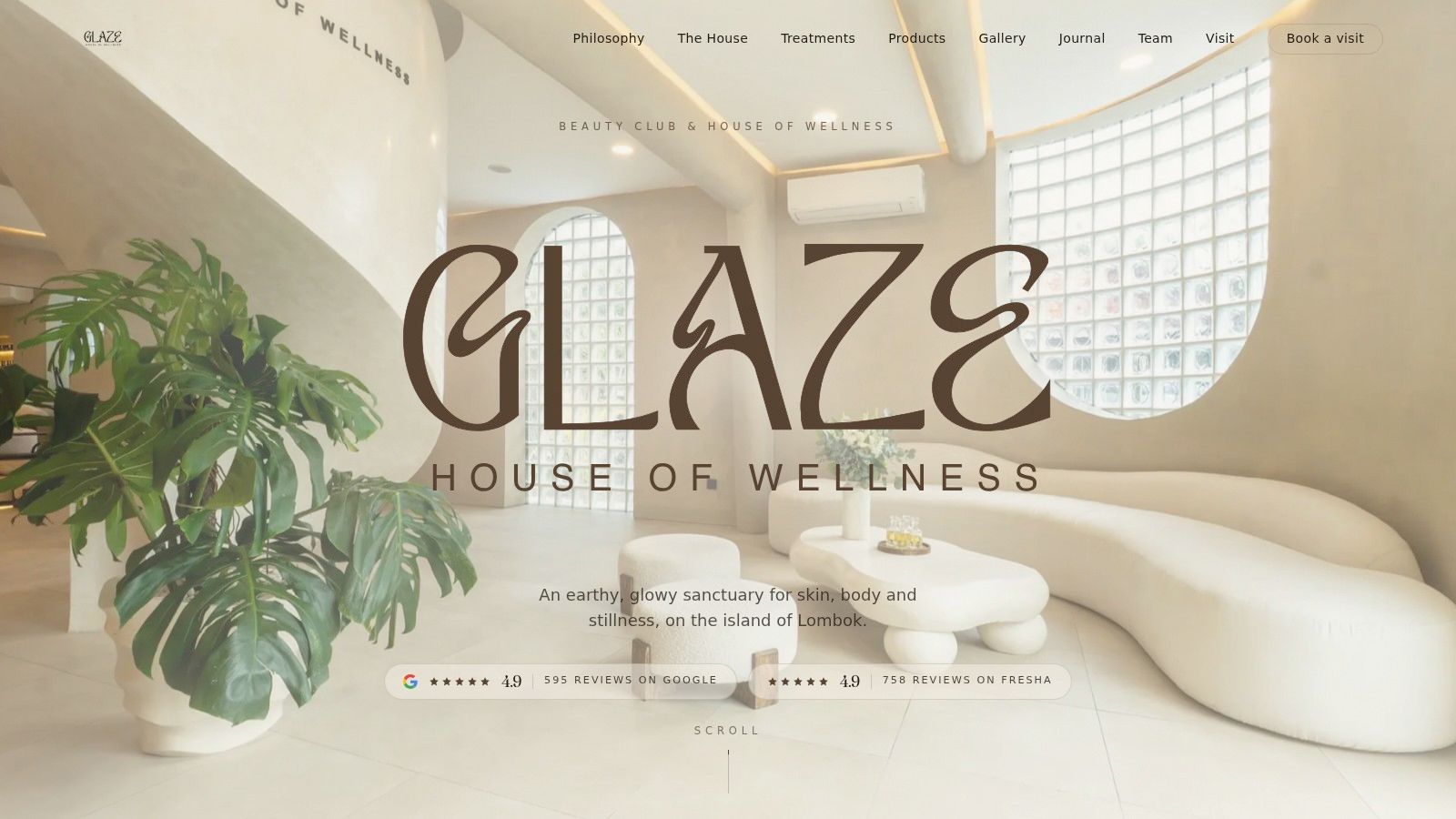
Plan the appointment around your day
A deep tissue session may fit well after exploring rather than immediately before a physically demanding activity. If you've spent the morning swimming at Tanjung Aan, you might choose a gentler afternoon schedule. If your body feels tight after travel, book enough time to arrive calmly, complete the consultation, and leave without rushing to the next stop.
For guests comparing local options, the exact location is GLAZE, House of Wellness, Jl. Raya Kuta No. 20, Kuta, Central Lombok, NTB 83573. The setting brings massage, beauty care, and refreshments together, which can make a recovery-focused visit feel more complete without turning it into a complicated itinerary.
Booking question: Ask what the therapist recommends for your current activity level, how pressure is adjusted, and whether your chosen session leaves time for a gradual finish.
Book your treatment at GLAZE before your preferred travel day fills up, and choose between deep tissue, Balinese massage, aromatherapy, reflexology, or a quieter relaxation treatment based on how your body feels when you arrive.
GLAZE - House of Wellness offers deep tissue and full-body massage alongside Balinese massage, aromatherapy, reflexology, facials, nail care, and a specialty coffee and matcha bar in Kuta Lombok. Visit GLAZE - House of Wellness to reserve a considered recovery session for your time in Lombok.
- full body deep tissue massage
- Kuta Lombok spa
- deep tissue benefits
- Lombok wellness
- spa booking