Full Body Reset in Kuta Lombok: A Calm Spa Guide
Discover what a full body reset in Kuta Lombok really involves. Explore GLAZE treatments, session flow, and aftercare for travellers seeking calm.
You've just stepped off a scooter in Kuta Lombok, shoulders tight from the road, salt on your skin, and a full day of beaches, heat, or travel still sitting in your body. A full body reset gives that feeling a clear shape: calming touch, warm sensory details, quiet rest, and recovery arranged into one unhurried experience.
Rather than promising a medical fix or a vague “detox”, this spa ritual helps you move from overstimulation towards ease. At GLAZE, the sequence can be shaped around your reason for visiting Lombok, whether you're recovering from a flight, loosening up after surfing near Mandalika, or making space for a slower afternoon.
Table of Contents
- What a Full Body Reset Really Means
- Why the Idea Has Become Mainstream
- The Core Elements Behind a Reset
- What a Session at GLAZE Looks Like
- A Reset Shaped Around Your Reason for Visiting
- Aftercare That Keeps the Calm
- Who Benefits Most and When to Book
- Bringing It All Together
What a Full Body Reset Really Means
A full body reset is a sensory-led recovery ritual. It brings together bodywork, warmth, water, breathing, and stillness so your attention can gradually move away from roads, airports, screens, and crowded itineraries.
The experience usually begins before the massage itself. You arrive, put down your bags, take a slower breath, and allow someone to ask where you're holding tension. The room may be quiet, the lighting soft, and the first touch deliberately gentle. Warmth on the skin, the sound of water shifting in a bowl, and the steady rhythm of hands all help create a sense of transition.

A sequence, not a miracle treatment
The phrase can sound broad because different spas use it differently. A grounded full body reset isn't a clinical detox, crash cleanse, or promise that one appointment will correct every form of fatigue. It's a structured combination of familiar spa elements, arranged so that each stage supports the next.
A typical flow might look like this:
- Arrive and settle. A welcome drink, a few quiet minutes, and a conversation about pressure and tired areas help you shift out of travel mode.
- Warm the senses. Towels, a foot soak, aromatic oils, or a gentle rinse introduce warmth and calm before deeper touch.
- Work with physical tension. Massage addresses areas that often tighten during travel, such as the shoulders, neck, hips, legs, and lower back.
- Pause without rushing. Stillness gives you time to notice the work rather than immediately returning to activity.
- Re-enter the day gently. Water, a slow walk, or a quiet drink makes the transition back to Kuta Lombok feel less abrupt.
Massage can support the feeling of recovery, especially when the aim is to reduce perceived fatigue and tension. Research in athletic settings has found mixed results for direct performance recovery, so it's more accurate to view a reset as supportive and relaxation-led rather than a guaranteed physiological repair. A meta-analysis of post-exercise massage also describes effects as generally small and dependent on the context and session length.
A useful expectation: you should leave feeling more settled and aware of your body, not expect a treatment to replace sleep, hydration, food, or medical care.
Why the Idea Has Become Mainstream
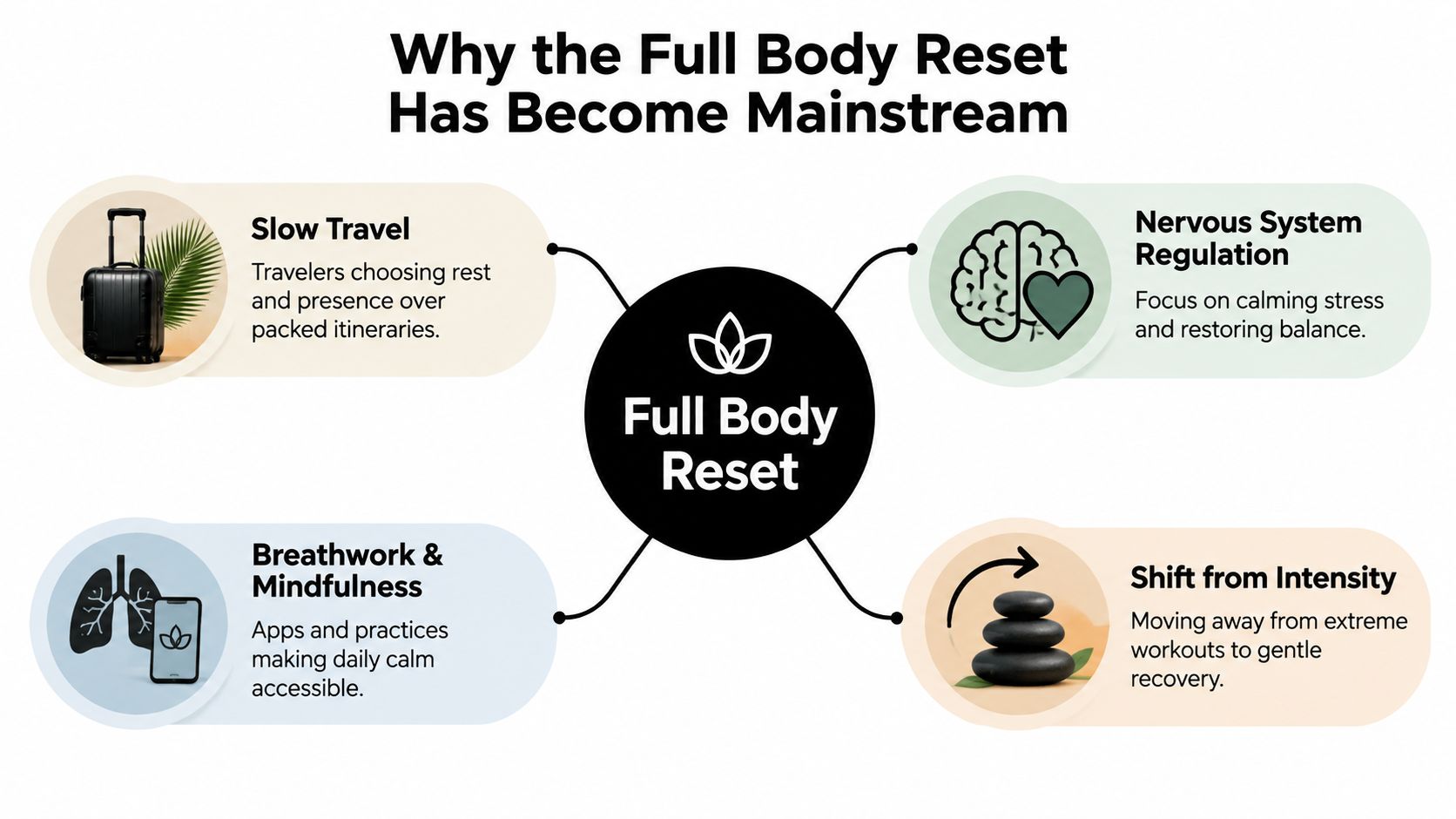
Travellers increasingly want more than a menu of isolated treatments. They're looking for a complete pause that makes sense after a flight, a long drive, a surf session, or several days of fitting too much into the itinerary.
That shift connects with the wider move towards slow travel, breathwork, mindfulness, and nervous-system regulation. Instead of treating rest as something earned after an intense schedule, many guests now build recovery into the schedule itself. A full body reset gives that intention a physical form, using massage, water, and quiet rather than another activity to complete.
The modern spa industry reflects how widely body-focused restoration has entered mainstream wellness. The Global Wellness Institute's 2025 wellness economy monitor estimates that 201,861 spas operated worldwide in 2024, generating $157.4 billion in revenue, compared with 191,348 spas and $136.8 billion in 2023. The same monitor places global spa revenue at 135% of its pre-pandemic level in 2024, showing the scale of demand for restorative experiences.
Why Lombok suits the ritual
Kuta Lombok makes the need easy to understand. You might spend the morning at Kuta Beach, ride towards Tanjung Aan, surf the gentle bay at Selong Belanak, or explore the Mandalika area. Sun, wind, salt water, scooter rides, and uneven sleep can leave the body stimulated even when the mind feels happy.
A reset isn't indulgent because it feels pleasant. It can be a practical way to interrupt accumulated strain and make the rest of a trip more comfortable. In a tropical destination, the most useful spa experience often isn't the most intense one. It's the one that helps you slow down enough to feel where you need support.
The Core Elements Behind a Reset
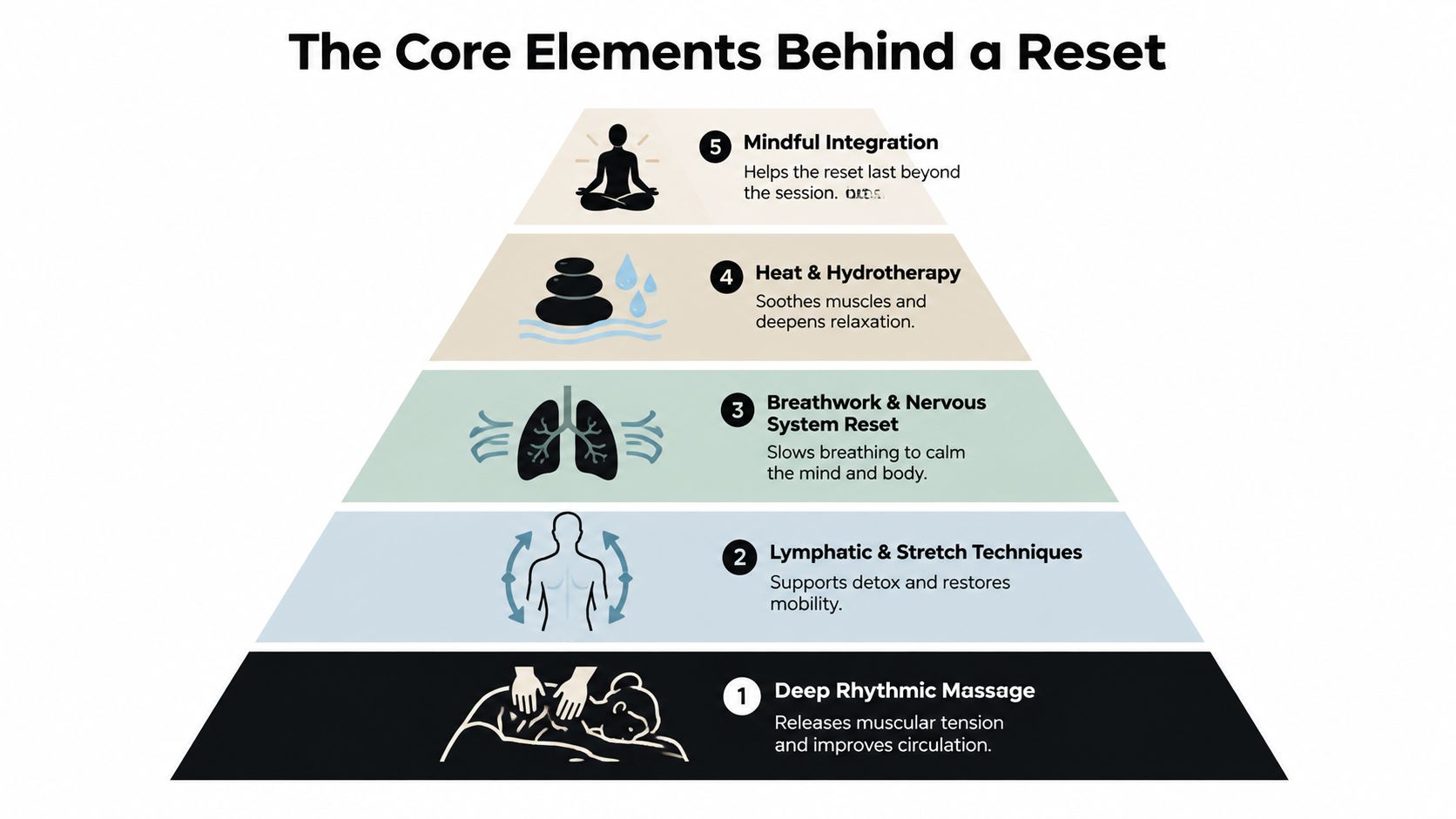
The best way to understand a full body reset is to separate its ingredients. Each element has a different job, and the order matters. Grounding first, deeper bodywork next, and quiet integration afterwards creates a smoother arc than placing every stimulating treatment together.
Massage changes the physical conversation
Deep, rhythmic massage works with muscular holding through repeated pressure and pace. Long strokes can feel grounding, while more focused work around the shoulders, neck, hips, and legs addresses the places where travellers often brace during flights, driving, or sport.
Pressure should be collaborative, not something you endure to prove the treatment is effective. The evidence is clearest for perceived recovery and relaxation rather than a rapid, guaranteed change in physical performance. A systematic review of massage in professional football found a moderate recommendation for perceptual outcomes, while evidence for physical performance and physiological recovery was insufficient or negative.
Water changes the sensory field
Warm rinses, foot soaks, rainfall water, and carefully chosen temperature changes introduce a different form of sensation. Water can mark the transition between stages, soften the intensity of hands-on work, and give your attention something simple to follow.
Some spas also include gentle stretching, scalp work, or facial release. These additions can be especially welcome after sun exposure, helmet use, or long hours spent looking down at a phone.
Rest lets the work settle
Quiet integration is not an empty gap. It's the part of the session where you stop moving from one input to another. Breathing may become slower, the jaw may loosen, and the mind may feel less crowded.
Sleep research supports massage as a useful downregulation tool in some settings. A randomised evidence review on massage and sleep reported improvements in self-reported sleep measures and objectively recorded long sleep episodes in some studies. That doesn't mean every guest will sleep well after a session, but it explains why evening massage can suit travellers dealing with overstimulation or disrupted rest.
At GLAZE, the available menu includes Balinese massage, deep tissue, aromatherapy, reflexology, cleansing, hydrating and anti-aging facials, manicure and pedicure services, relaxation treatments, and a specialty coffee and matcha bar. There are no injectables, laser treatments, surgery, or other medical or aesthetic procedures.
What a Session at GLAZE Looks Like
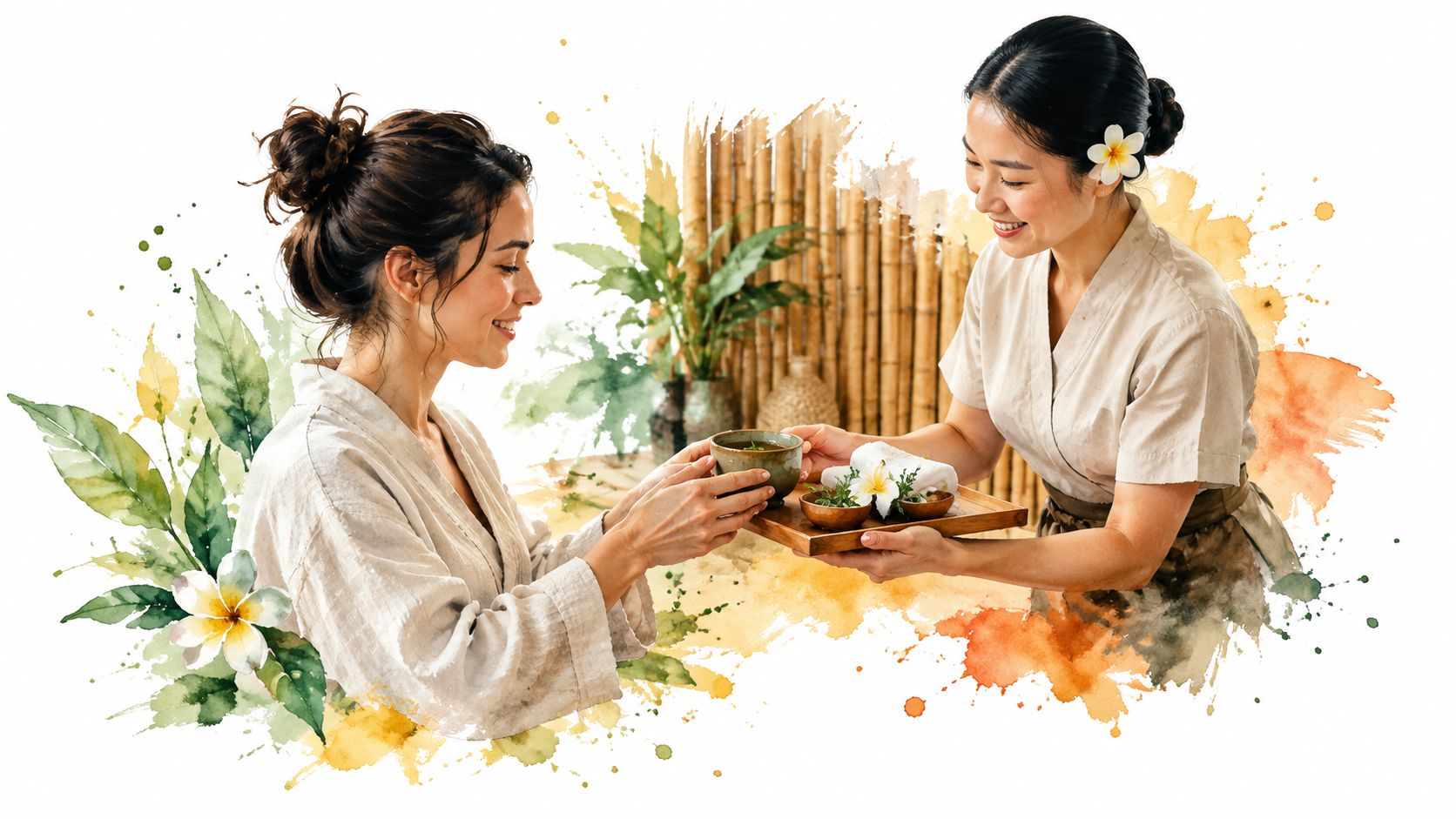
After a morning near Kuta Lombok's water or a long ride from the airport, the first part of a full body reset creates a clear pause. At GLAZE - House of Wellness, you can arrive, take a herbal drink, and let the change from travel mode to treatment mode happen gradually.
Settling in
You change into soft linens and have a short intake conversation. Tell the therapist if your shoulders feel tight after surfing, your legs feel heavy after travel, or your skin feels tender after a beach day. You can also describe the pressure you prefer, so the session begins at a level that feels supportive rather than demanding.
The treatment bed becomes the next stage. Long, slow strokes along the back and legs establish an even rhythm before more focused bodywork begins. The therapist may give closer attention to the shoulders, neck, hips, and lower back, areas that often reflect scooter rides, luggage, swimming, or prolonged sitting.
A reset works like a guided sequence. Each stage prepares your attention for the next, rather than piling on sensations at once.
Moving between touch and water
Warm towels and aromatic oils can mark a change in pace. Gentle stretching may follow the massage, giving you a chance to notice easier movement without turning the session into exercise. A warm foot soak or rainfall rinse adds a simple water element that feels cleansing in the everyday sense, without suggesting that it removes toxins.
The closing stage is quieter. You rest in a shaded lounge with infused water while your breathing and attention settle. That pause gives the body time to absorb the treatment before you return to Kuta Lombok's roads or beaches.
The full experience runs roughly 90 to 120 minutes, depending on the selected treatment flow and how the session is customized.
Before you arrive: tell the team about recent sun exposure, tender areas, pressure preferences, and whether you need to return quickly to an activity. Honest details help shape a reset that fits the day you have had.
If this pause suits your Lombok itinerary, book your full body reset at GLAZE and choose the bodywork that matches how you feel today.
A Reset Shaped Around Your Reason for Visiting
Two guests can book the same type of session and need completely different experiences.
A surfer arrives after time in the water near Kuta or Selong Belanak. Their shoulders feel compressed from paddling, while the hips and lower back feel less mobile than usual. The therapist might spend longer on the shoulder line, use considered work around the hips, and keep the stretching gentle enough that the body doesn't feel challenged after a day of waves.
Another guest comes directly from a flight. Their legs feel heavy, their sleep has been fragmented, and their attention is still moving at airport speed. A lighter, leg-focused sequence, calming aromatherapy, and a longer period of rest may suit them better than intense pressure.
A third guest has spent the day in the sun. Their skin feels warm and sensitive, so the treatment can be adjusted with cooling aloe compresses, shorter bodywork, and a gentle scalp finish. The aim is comfort, not more stimulation.
The structure stays familiar
The order can remain consistent while the details change:
- Pressure: deeper work may suit muscular tightness, while lighter touch can feel more appropriate after sun exposure or a long journey.
- Focus: shoulders and hips may matter most after surfing, while legs and stillness may matter more after travel.
- Water: a warm soak can ground one guest, while a cooling element may feel more comfortable for someone overheated.
- Integration: some guests need a quiet pause before dinner, while others benefit from a slower transition into an evening at the café.
That flexibility is what keeps a reset from becoming generic. You're not choosing a performance target. You're giving the therapist useful information about the body you've brought into the room that day.
Aftercare That Keeps the Calm
The hour after your session can either extend the feeling of ease or replace it with another rush. Keep the next part of the day spacious where possible, especially if you've come in from a long drive, surf session, or busy beach circuit.
Simple habits for the rest of the day
- Drink steadily: Choose water or coconut water through the afternoon and evening. Avoid heavy alcohol immediately after the session, as it can make the transition from treatment to activity feel less comfortable.
- Protect your skin: If you're returning to the Kuta sun, use a gentle fragrance-free moisturiser and reapply mineral sunscreen. This is particularly relevant after time outdoors or any treatment that leaves the skin feeling warm.
- Pause before moving on: Sit at your accommodation or enjoy an unhurried drink before beginning another excursion. A short period without new stimulation gives your body time to register the change.
- Keep movement light: A relaxed walk or gentle stretching can support mobility without undoing the softness of the treatment. Leave intense training for another part of the itinerary.
- Shower later: A warm shower in the evening can feel soothing, but waiting rather than showering immediately may help you preserve the relaxed rhythm for longer.
You don't need a strict recovery protocol. Think of aftercare as protecting the conditions you've created. Eat something simple if you're hungry, keep your plans flexible, and notice whether your body wants conversation, shade, or sleep.
If you have a medical condition, recent injury, or unusual symptoms, discuss appropriate care with a qualified health professional. A spa reset is a wellness experience, not a substitute for diagnosis or treatment.
Who Benefits Most and When to Book
A full body reset can suit several kinds of Kuta Lombok visitor. The common thread isn't a particular age or fitness level. It's the feeling that your body and attention haven't quite caught up with your holiday.
You might notice restless sleep after arrival, tight hips from scooter rides, shoulders that stay lifted after carrying luggage, or skin that feels tired from sun and salt. You may also feel overstimulated by constant movement, even though every activity has been enjoyable.
Match the timing to your trip
After arrival works well when jet lag, flight stiffness, or unfamiliar travel conditions are making it difficult to settle. A calm first treatment can give the rest of the visit a softer starting point.
Mid-trip suits guests combining beach days, surfing, yoga, and excursions. A reset can break up a run of activity before tension becomes the main thing you notice.
Near departure creates a grounding ritual before the journey home. It can be a quiet way to close a Lombok stay rather than rushing from the final beach visit straight to packing and transport.
Kuta Lombok is a useful base because nearby beaches offer different rhythms. Tanjung Aan is known for its horseshoe-shaped bay and calm swimming water, while Selong Belanak is often described as a long, gentle bay suited to beginner surfers. Guides also place Mandalika and other south-coast beaches within the area's wider circuit, making it easy to combine activity with restorative downtime.
Lombok's tropical wet-and-dry pattern also affects planning. Climate guides generally place the drier period around May to October, with the wetter season commonly running from November to March and heavier rainfall around December through February. During the drier months, independent weather guides describe more sunshine, lower rainfall, lower humidity, and typical daytime temperatures of 24 to 32°C, which can make beach time and spa visits easier to plan. See the Lombok seasonal weather guide and independent Lombok climate overview for planning context.
Booking earlier in your stay can help you carry the calm into the days that follow, rather than waiting until your body is asking for a complete pause.
Bringing It All Together
After a morning of surfing near Kuta Lombok, your shoulders may still feel braced even after you leave the water. A full body reset gives that tired body a clear sequence: settle the nervous system, work with areas of tension, then create space for recovery. Each step supports the next, like moving from louder sensations into a quieter room.
Massage can ease the felt weight of muscular tension. Water, scent, touch, and stillness change the sensory atmosphere, while unhurried rest gives your attention time to slow down. The result is a guided pause, not a medical fix, clinical detox, or replacement for sleep, food, hydration, or professional care when those are needed.
At GLAZE, the experience can begin with a welcome drink and conversation, continue through Balinese massage, deep tissue, aromatherapy, reflexology, or supportive facial and nail rituals, and end with a quiet return to the day. Familiar treatments are arranged around your reason for visiting, whether that means travel fatigue, sun exposure, or tightness after surfing.
Small choices help the calm last: drink water, seek shade, move gently, protect the evening, and leave room for sleep.
GLAZE - House of Wellness offers Balinese massage, deep tissue, aromatherapy, reflexology, facials, nail care, relaxation treatments, and a specialty coffee and matcha bar in Kuta Lombok. Visit GLAZE - House of Wellness to reserve a full body reset and give your Lombok stay a quieter, more restorative rhythm.
- full body reset
- Kuta Lombok spa
- wellness treatments
- recovery massage
- spa day guide